
About the materials

Solid wood or MDF? Spray paint or veneer? And what about the interior surfaces? These are all decisions you get to make when you commission some bespoke furniture from us. But it’s not always as simple as choosing things you like the look of – it’s about selecting the most suitable materials for your project, which is why we’ve put together this guide.
Please Note : this page is best viewed via a desktop.

Your project, your choice…

Picking the materials for your bespoke furniture is a bit like one of those stories where you decide what happens next – your first decision affects your options at the next stage, and so on – and it all starts with the core materials you want to use: solid wood, board or melamine. Once you’ve made your selection, you’ll be directed to the next relevant section, as summarised here.

  • If you choose melamine, you’ll jump ahead to hardware (knobs, handles, etc)
  • If you want solid wood, you’ll then select the type of wood, the finish and the hardware
  • If board seems like the best option (hint: it usually is), you’ll then choose a veneer (i.e. a type of wood), a finish and then hardware.
About the

Core Material

All our bespoke furniture has one of the following types of materials at its core. Each has its pros and cons depending on the context, so it’s important to think about how you’ll use the item, and the conditions in the room it’s destined for.

Water-repellent.

Extremely hardwearing.

Cost-effective.

Ideal for cupboard interiors.

Available in myriad colours, patterns & textures.

Looks amazing with a high gloss finish.

Reacts to direct sunlight (UV) by gradually becoming darker, so not ideal for rooms with a lot of natural light.

Not very eco-friendly, so might darken your conscience too.

If you’ve chosen melamine for your entire project, you can start thinking about colours and hardware (knobs and handles).

Pick a colour See the hardware

Environmentally sound (all our timbers are FSC approved and sustainably sourced).

Looks beautiful and can lend a more traditional or ‘warm’ look to a room.

Best for (but not exclusive to) freestanding furniture.

Expands and contracts with heat and humidity, so not ideal for fitted furniture such as alcove shelving or built-in wardrobes, or in rooms with fluctuating conditions, such as kitchens and bathrooms.

Can be expensive, depending on the type of wood.

If you’ve chosen solid wood, you just need to select which type and then think about the finish you’d like.

Highly durable

Stands up to heat and humidity.

Incredibly versatile in terms of appearance, due to the possibilities afforded by paint and veneers.

Potentially very eco-friendly (details below).

Ideal for fitted furniture,.

Can be costly (a painted finish can sometimes mean that MDF is more expensive than solid wood).

Certain types of boards aren’t great for the environment.

If you think painted or veneered boards will work best (this is usually the case), you now need to consider what kind of board you want to use.

See the boards
         About the

Boards

Boards come in a range of materials ranging in both price and eco-friendliness. MDF is the one most of us are familiar with and, although it’s far from perfect, it’s now a lot less toxic than it used to be.

Wheatboard is the same as MDF but it’s made from high-quality wheat straw (a by-product that’s usually disposed of) and contains 0% formaldehyde, making it much better for the planet. We can’t always get hold of it in the quantities we need, but if you’re keen to use it, please do ask – we’re keen to reach a point where there’s enough demand to make this material commercially viable.

Read about our efforts to clean up the furniture industry

Finally, you just need to think about the finish and hardware.

See the finish See the hardware
See the hardware

After that, there’s nothing else to do.

Want to get a free quote?
About the

Finish

All surfaces, except for melamine, need a finish either to add a layer of protection or create the desired end result (often both). As with all the materials we use, we try to use the most environmentally-friendly finishes.

Final step after the finish is to pick the hardware (knobs and handles).

See the hardware

Final step after the finish is to pick the hardware (knobs and handles).

See the hardware
About the

Hardware

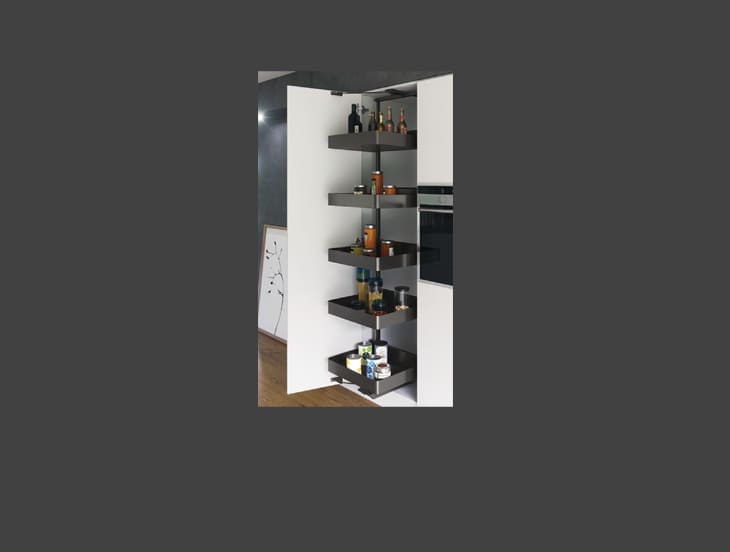
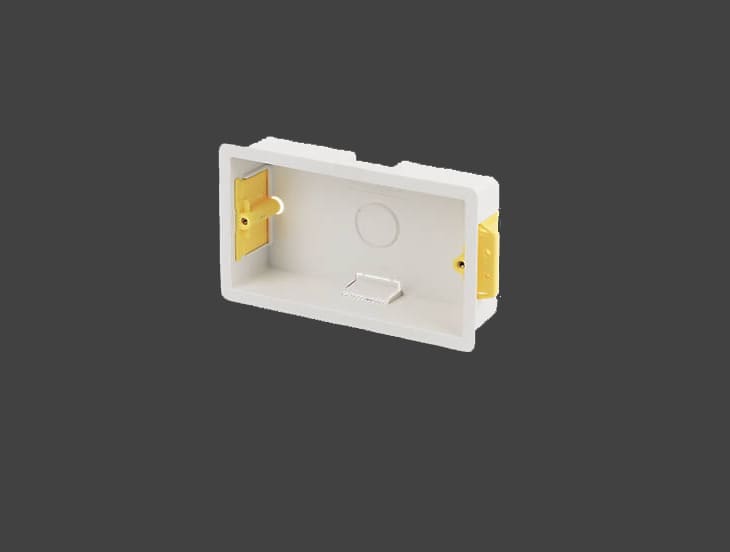
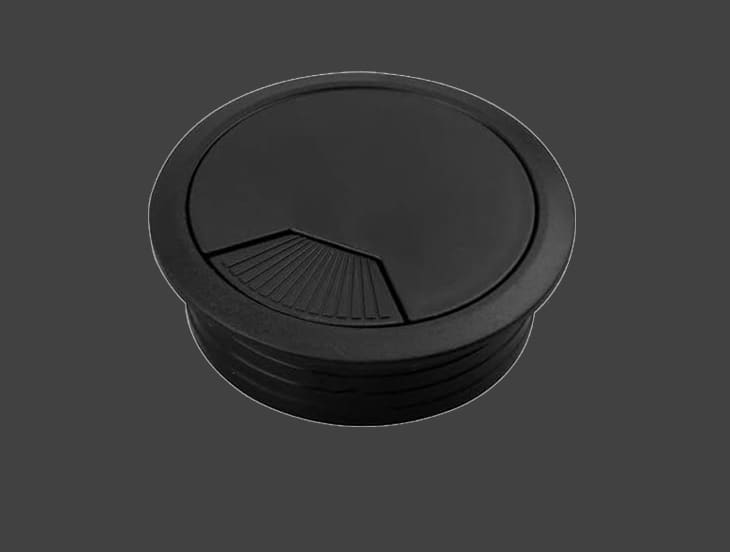
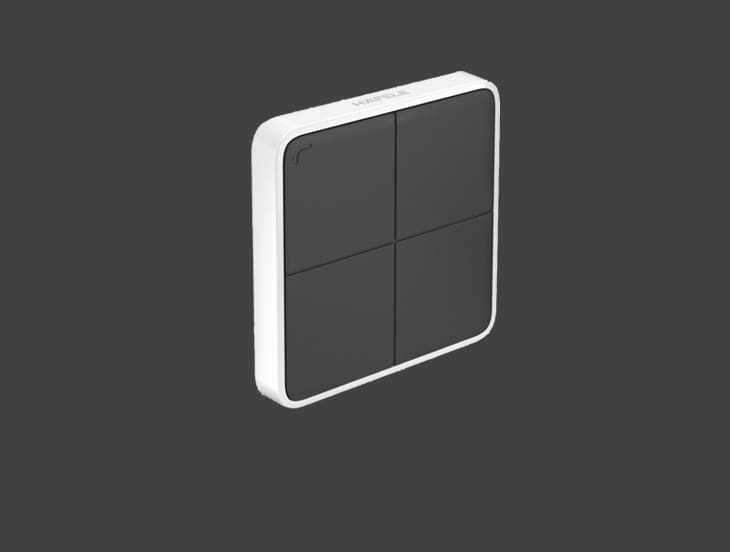
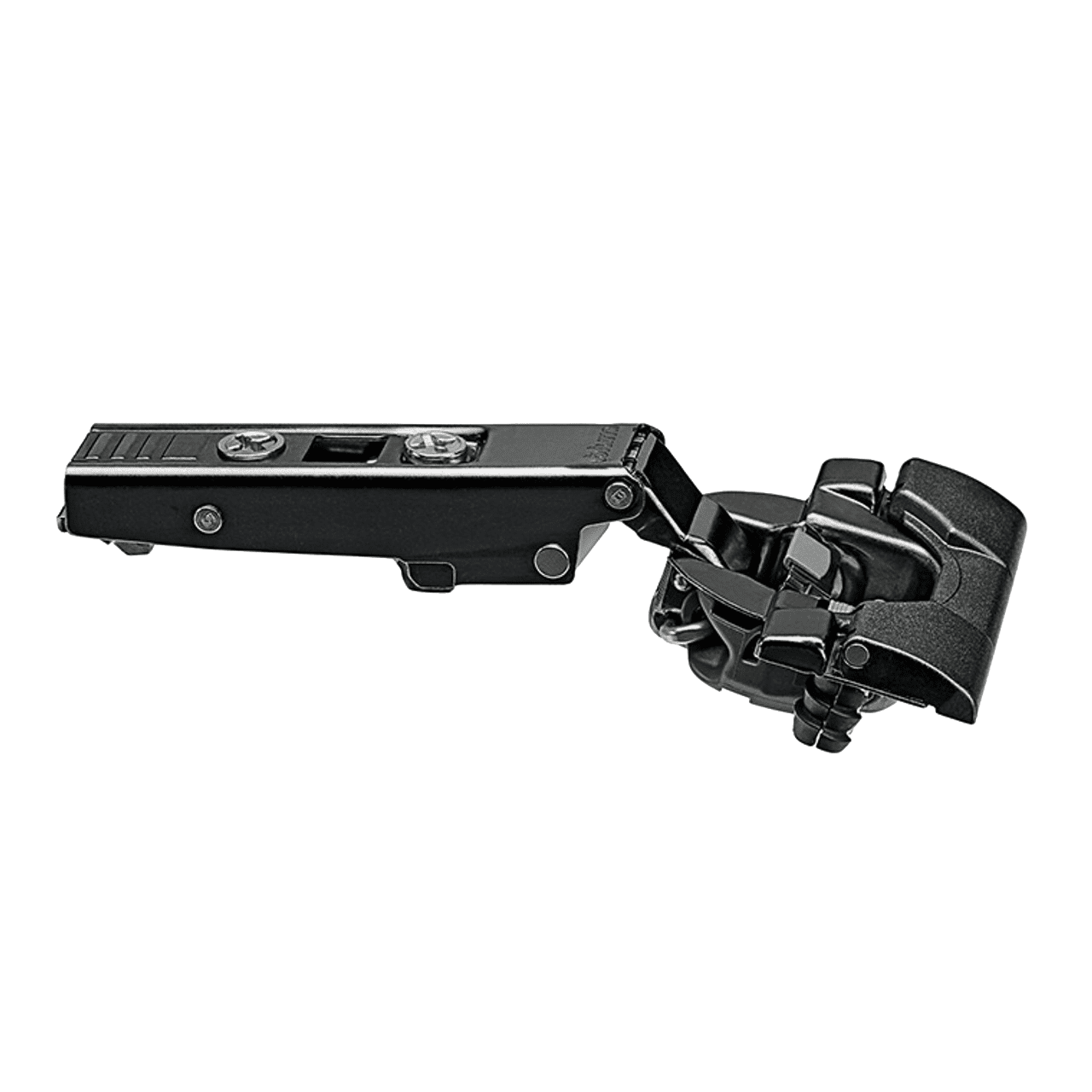
Nothing to do with computers and everything to do with knobs, handles, sockets, drawer runners, hinges and shelving studs. Even sinks (which you might want if you’re in the market for a home bar) are considered ‘hardware’. We use Blum hardware as it’s highly durable (so much so that it comes with a lifetime guarantee), but you’re welcome to ‘bring your own’ too!

Ready for the next step?

Don’t worry if you don’t have all the details nailed down. To give you a quote, we just need an overall idea of what you have in mind and there are prompts in our questionnaire to help you with this.

Get a Quote