



Tricking the eye with freestanding kitchen furniture
The open-plan farmhouse kitchen at Gemma and Ian’s detached home in North Leeds was tastefully decorated, but it felt disjointed – and they believed their old, freestanding dresser was made of solid oak, the traditionally made dresser was both short and deep, meaning it literally stuck out. The only thing it matched was a similarly ill-fitting, shop-bought dining table.

Although replacing them with bespoke pieces initially seemed as though it’d be a fairly simple process, there were several important – and challenging – factors to consider during the design phase:

An optical illusion
Gemma and Ian wanted the new dresser to ‘disappear’ into the walls but remain freestanding.

Wine storage
the dresser would need to house the couple’s wine collection.

Durable surfaces
one for preparing drinks (the dresser/wine cabinet), and one for serving them (the table)

Dry air
the new kitchen furniture would have to withstand both underfloor heating and an Aga.
Disappearing Act
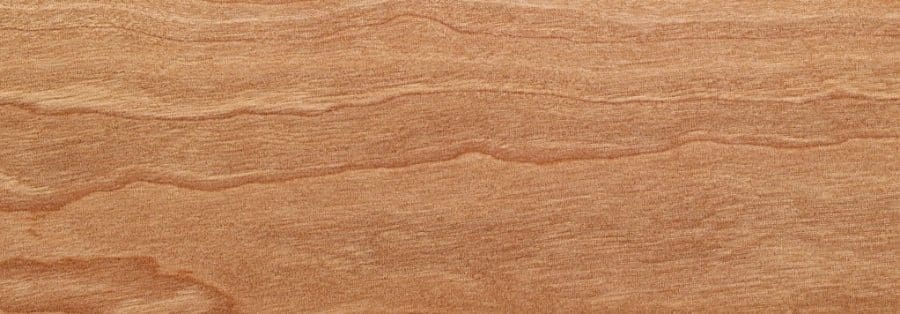
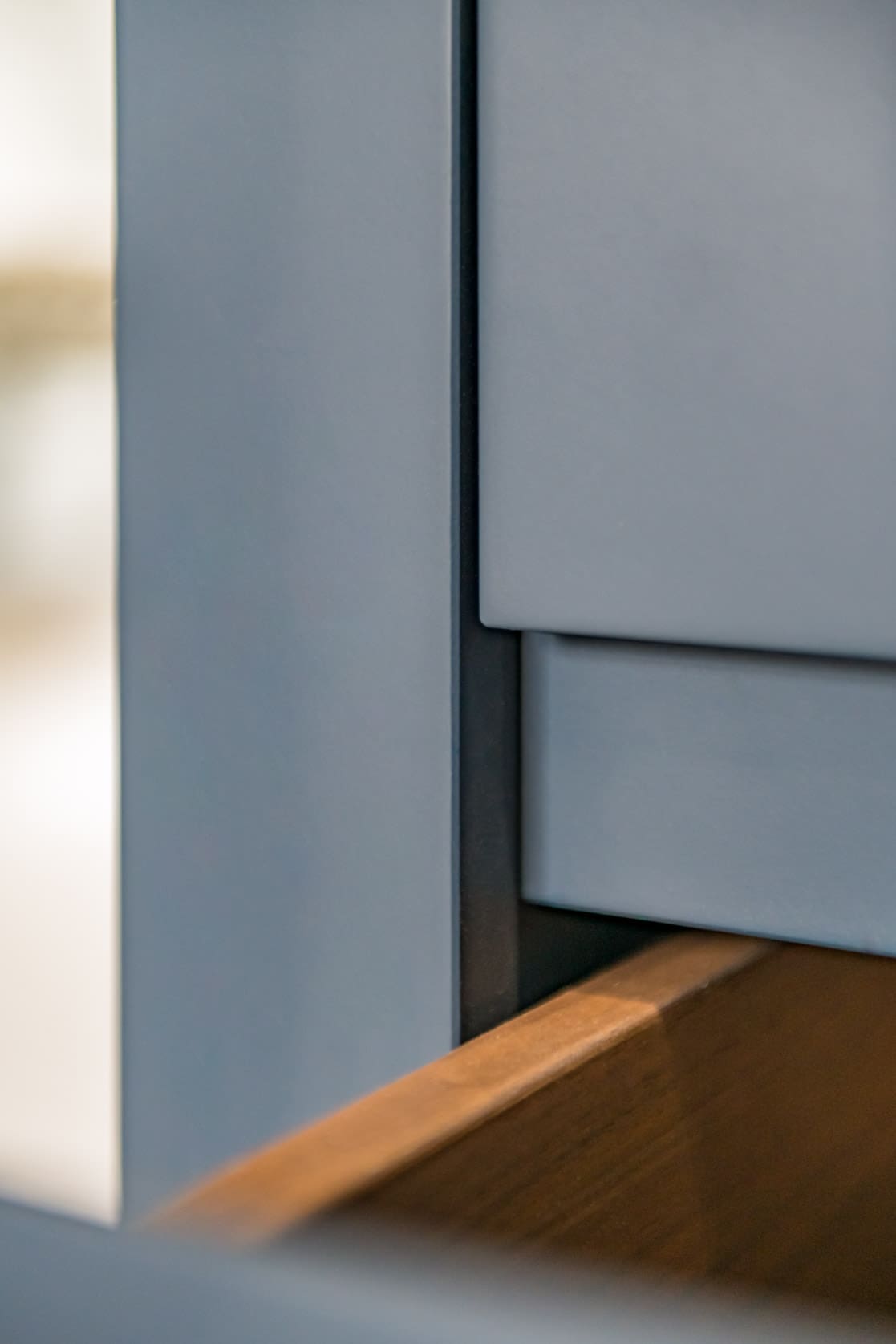
To help the wine cabinet blend into its surroundings without fitting it against the walls, we gave it dimensions that would allow it to sit snuggly under the lowered ceiling in that area of the room and in the small space alongside the bi-folding doors. We also used colours and surfaces that corresponded to the rest of the room, including an ‘oak’ melamine interior to match the nearby dining table (inspired by the materials we’d previously used for Gemma’s bespoke desk) and a painted finish on the exterior parts in the same hue as their Farrow & Ball painted walls.


Functional Space
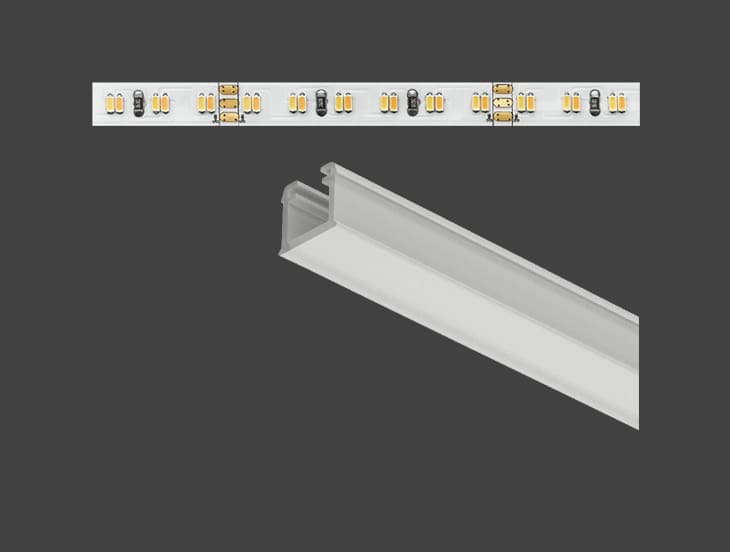
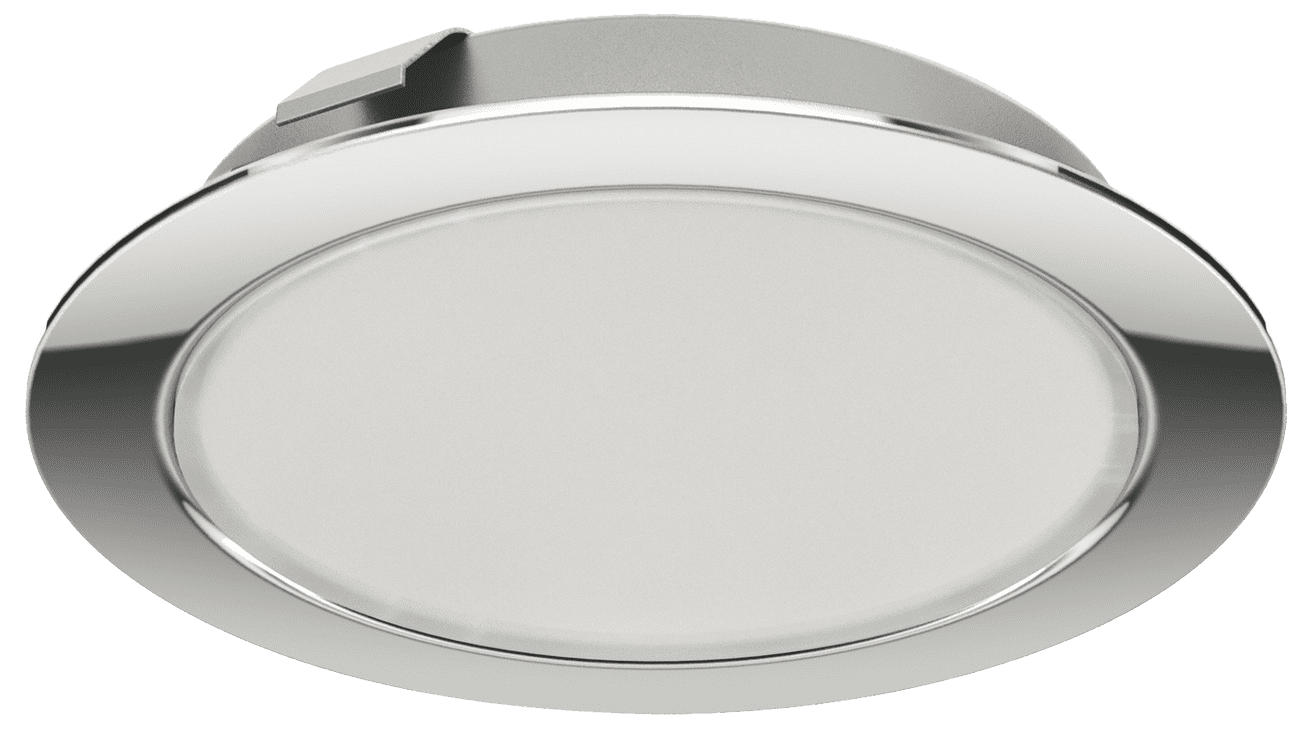
The dimensions of the dresser allowed us to include storage for up to 44 separate wine bottles and a drink preparation area, which we covered with a beautiful, hard-wearing granite worktop that matched the other one in their kitchen. We also integrated some LED lights in the upper storage areas and above the worktop, to increase both the ‘warmth’ and usability of the cabinet.
‘Solid Oak’
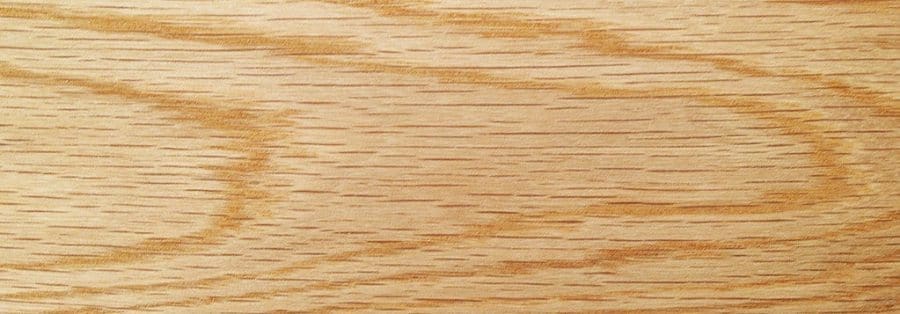
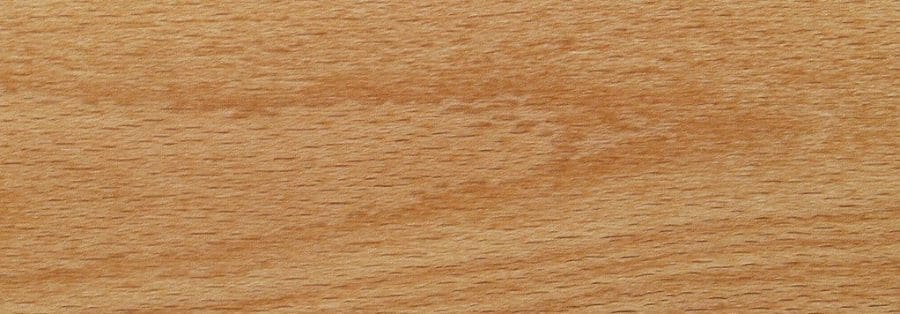
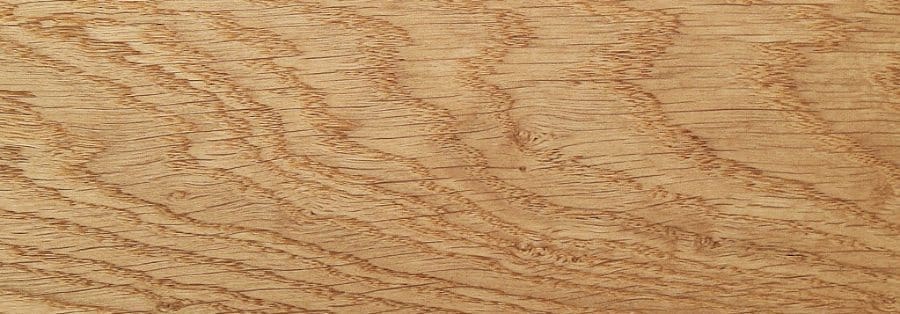
Gemma and Ian were wanted a dining table that looked like it had been made from oak – something which is normally quite easy to achieve with MDF boards covered in wooden veneers. But in this case, we were dealing with very dry air, thanks to both underfloor heating and a nearby Aga. Determined to rise to the challenge, we tested numerous combinations of materials, with Tom even taking them home to test in his own baking hot conservatory – a process which led us to use a thicker type of MDF covered with ‘constructional veneers’ (2.5mm thick, not the standard 0.6mm).


The ‘breadboard’ effect
The edges of the boards were treated in an equally unusual manner. Whilst the edgebanding we’d normally apply provides a clean, veneered finish, it only maintains the natural grain of the wood on the long edge of a panel. To get a true woodcut effect, we had to make our own veneers from thin ‘slices’ taken from a cross-section of the timber – a difficult thing to achieve, but one that had the desired effect, even tricking a fellow professional into thinking we’d made the whole thing from solid oak!

Testimonial
“Ian and I absolutely love the new pieces of furniture in the kitchen – the kitchen is completely transformed! I have come downstairs each morning this weekend and honestly, I can’t believe how lovely it looks, a kitchen I am finally really happy with, a space I can really enjoy being in now. Thank you!”
Gemma Smith
The Gallery


Materials & Finish
- Cabinetry – Egger Light Winchester Oak H3382 Melamine
- Framework – MRMDF with a spray paint finish (F&B Dovetail)
- Drinks prep surface – Premium black granite

Hardware
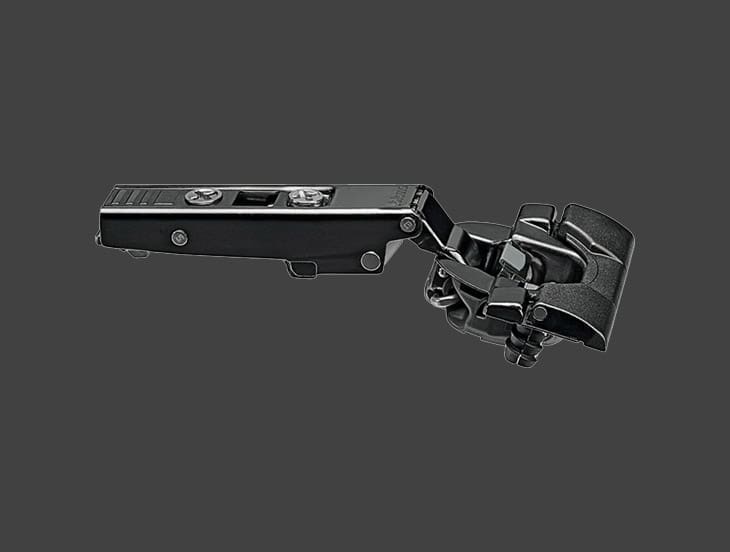
- Blum soft close hinges
- Blum Movento drawer runners
- Loox LED lighting
- Lara polished chrome cabinet knobs

Professional Partners
- Granite wine cabinet surface from Stone Connection Worksurfaces
- Written by Katy Wright at copykatywright.com
- Photography by Bevan Cockerill